7. Overdoing Walking Without Rest
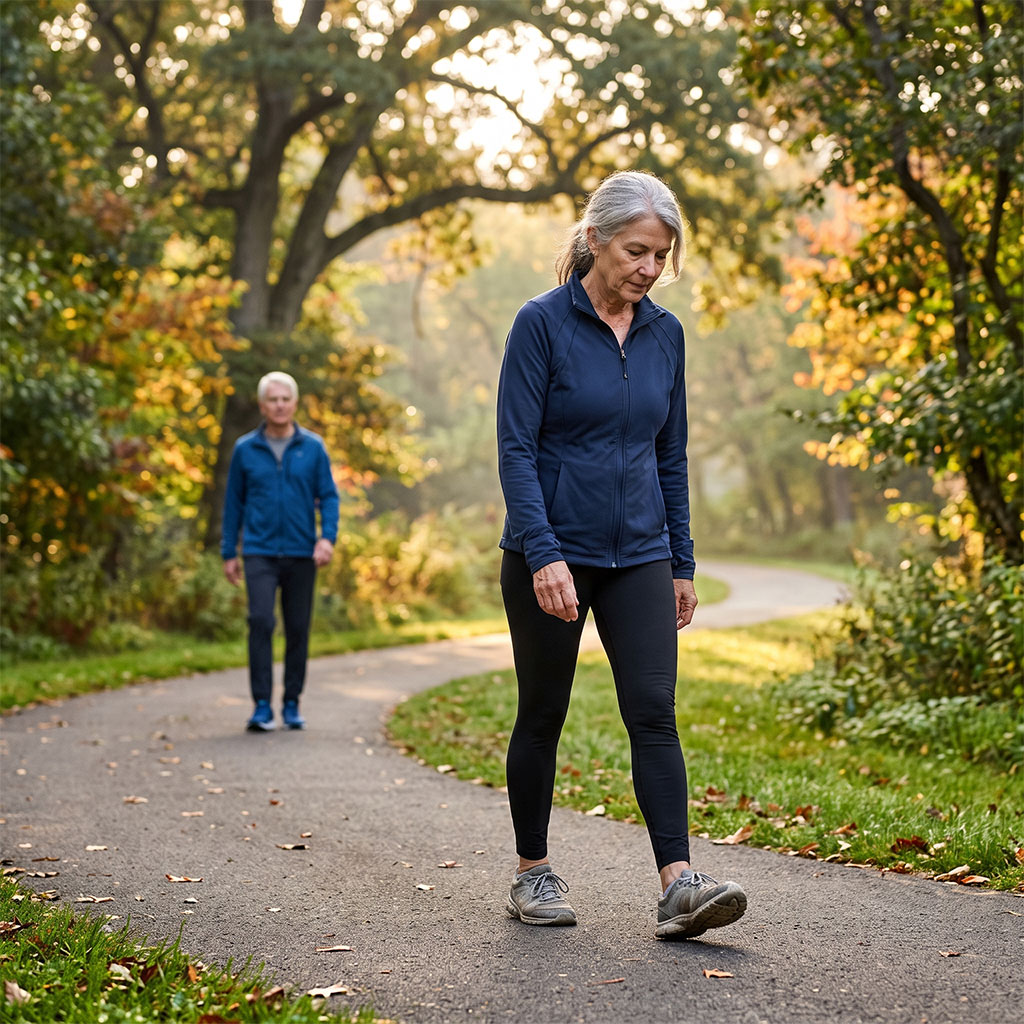
Regular walking is beneficial, but more is not always better. Overexertion without adequate recovery can cause excessive fatigue, muscle soreness, and increased injury risk. For adults over 50, balancing activity with rest days is crucial to maintaining long-term joint and muscle health.
If you find yourself unusually tired after walks, experiencing persistent soreness, or struggling to recover before your next walk, it may be time to scale back and include more rest or lower-intensity sessions.
Remember, the quality and consistency of your walking routine matter more than the quantity.
When to See a Doctor
While mild soreness during increased activity is normal, seek prompt medical evaluation if you experience any of the following during or after walking:
Chest pain or pressure
Severe shortness of breath
Dizziness or fainting spells
Worsening or persistent joint pain
New swelling in legs or joints
Frequent falls or balance problems
These symptoms could indicate underlying health issues that require professional assessment and treatment.
Conclusion
Walking remains one of the safest and most effective exercises for adults over 50, offering wide-ranging benefits for heart health, joint mobility, muscle strength, balance, and mental well-being. The key to maximizing these benefits lies in walking smart—paying attention to pain, wearing supportive footwear, maintaining good posture, building strength and balance, progressing gradually, and allowing adequate rest.
L’adoption de ces pratiques vous permettra de marcher confortablement et en toute sécurité, préservant ainsi votre santé et votre autonomie pour les années à venir.
Cet article est fourni à titre informatif seulement et ne remplace pas un avis médical professionnel. Consultez votre professionnel de la santé avant de commencer ou de modifier un programme d’exercices, surtout si vous avez des problèmes de santé ou des inquiétudes à ce sujet.