9. Energy Drink Effects
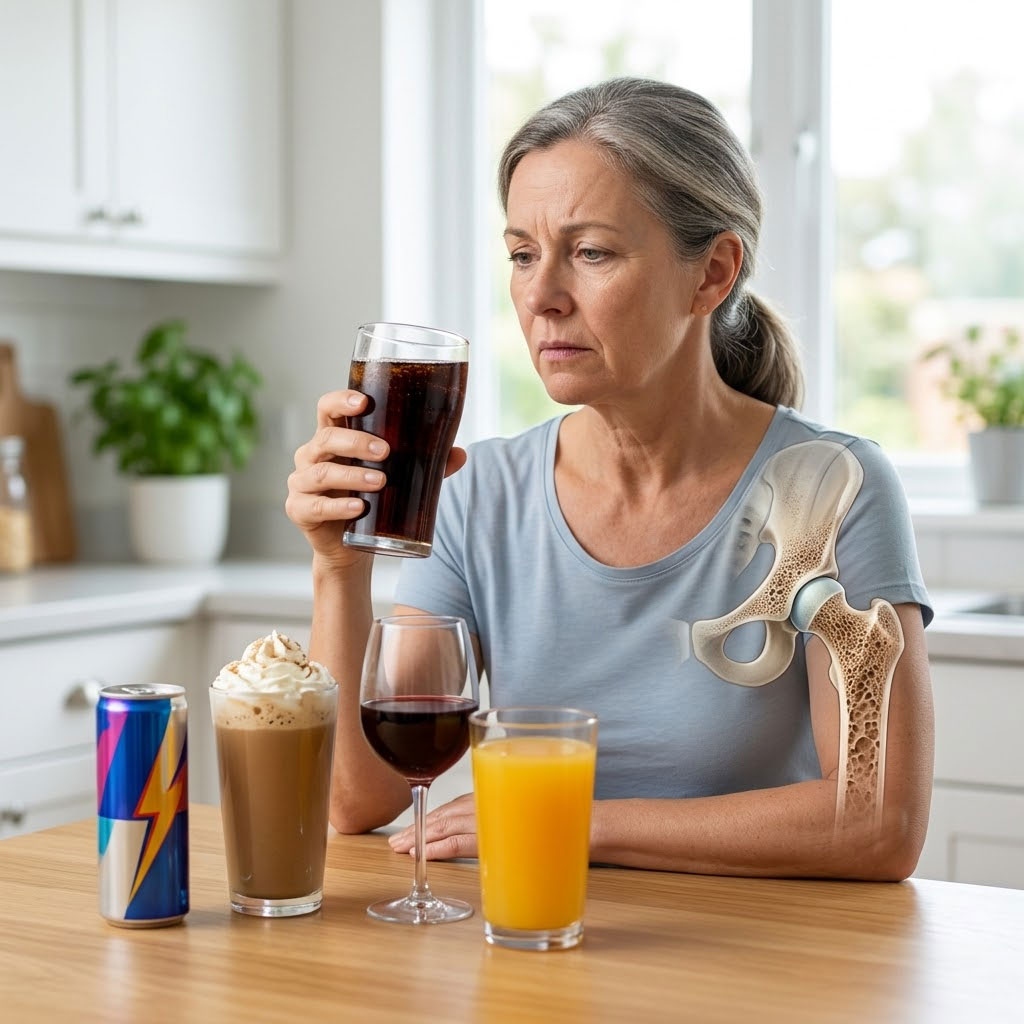
Energy drinks typically contain very high levels of caffeine, sugar, and other stimulants. Although direct research on their impact on bone health is limited, frequent consumption may indirectly affect bones by increasing caffeine intake and replacing beverages that provide calcium and vitamin D.
Excessive caffeine may contribute to small increases in calcium loss, and the sugary content can lead to poor overall nutrition. Additionally, energy drinks may disrupt sleep patterns, which is increasingly recognized as important for long-term bone and overall health.
Occasional consumption is unlikely to cause harm, but relying on energy drinks regularly is not advisable for bone health or general well-being.
10. Sugary Sweet Teas and Fruit Drinks
Many bottled teas, iced teas, fruit punches, and fruit-flavored drinks contain high amounts of added sugars despite their healthy appearance. They often lack significant nutrients that support bone health and may displace calcium-rich beverages in the diet.
Consistent consumption of these sugary drinks makes it harder to meet daily nutritional needs essential for strong bones. Reading nutrition labels can help identify hidden sugars in beverages that appear healthy.
When to See a Doctor
If you are a woman aged 65 or older, a man over 70, or a younger postmenopausal woman with risk factors such as previous fractures, long-term corticosteroid use, smoking, or low body weight, you should discuss bone density testing with your healthcare provider. Early detection through a DEXA scan can guide interventions to reduce fracture risk.
Also consult your doctor if you have experienced fractures from minor falls, have been on bone-impacting medications, or have concerns about your bone health.
Conclusion
Osteoporosis remains silent until a fracture occurs, but understanding the risk factors and getting timely bone density screening can prevent devastating outcomes. While sugary drinks and caffeine-containing beverages have some impact, the major drivers of bone loss are menopause, medication use, smoking, and previous fractures.
L’assurance maladie Medicare prend en charge les tests de densité osseuse tous les 24 mois pour les personnes éligibles, ce qui en fait un outil de prévention accessible. À cela s’ajoutent des choix de vie sains : un apport suffisant en calcium et en vitamine D, de l’exercice physique, et l’arrêt du tabac et de la consommation excessive d’alcool, pour maintenir une bonne santé osseuse et réduire le risque de fracture.
N’oubliez pas que ce n’est pas une seule boisson ou habitude qui, à elle seule, provoque l’ostéoporose ; c’est l’effet cumulatif de multiples facteurs au fil du temps qui compte le plus.
Si vous avez des inquiétudes concernant votre santé osseuse, consultez votre professionnel de la santé pour obtenir des conseils personnalisés et des options de dépistage.
Avertissement : Cet article est fourni à titre informatif seulement et ne remplace pas un avis médical professionnel. Consultez toujours votre professionnel de la santé avant de prendre des décisions concernant votre santé.