6. Limitations Compared to Traditional Colonoscopy
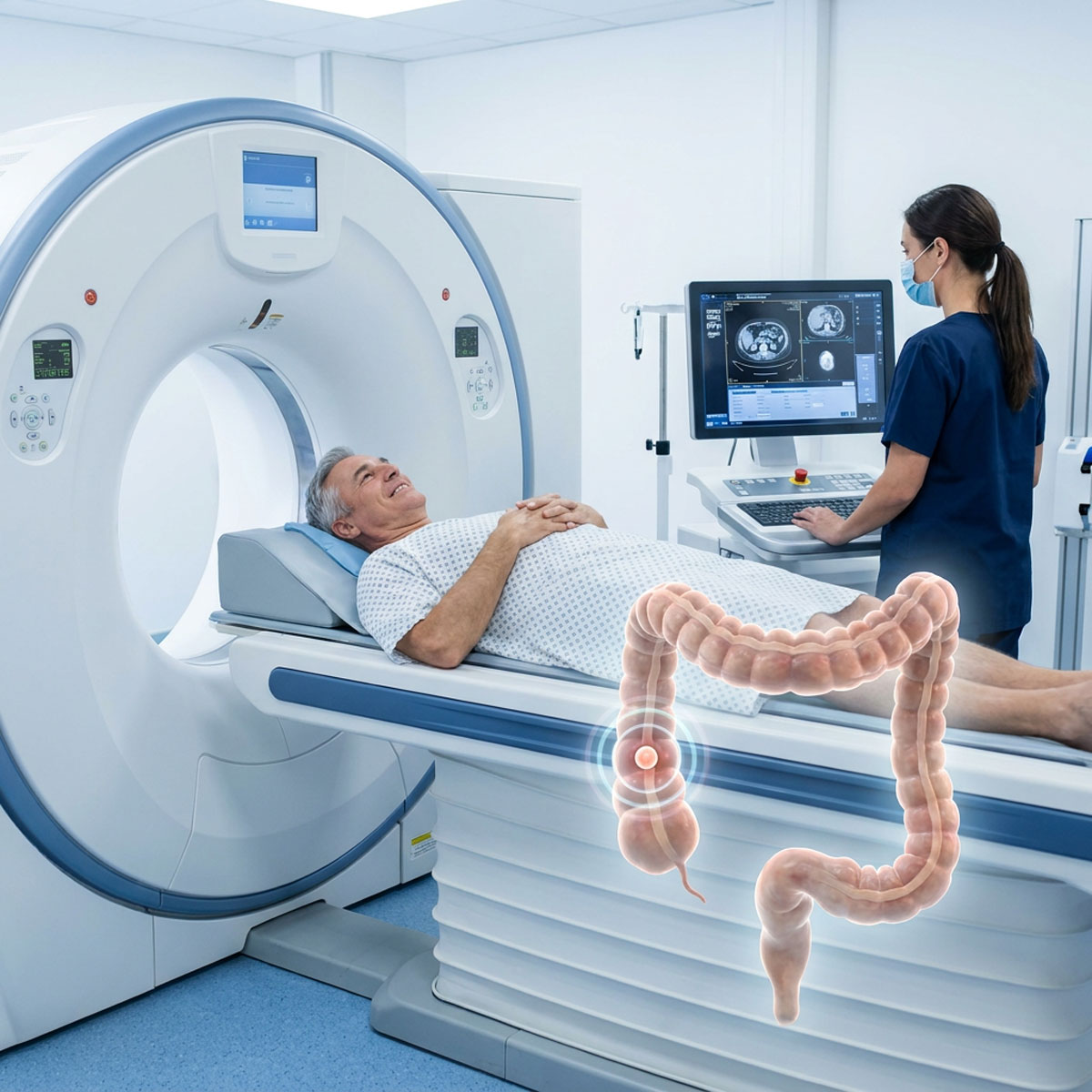
Despite its advantages, virtual colonoscopy has important limitations. Most notably, it cannot perform therapeutic actions. If the scan detects polyps or suspicious lesions, the patient must undergo a traditional colonoscopy to remove the polyps or obtain biopsies for definitive diagnosis.
Additionally, virtual colonoscopy may be less sensitive in detecting very small polyps, which could potentially be precancerous. It also cannot evaluate areas outside the colon that might be accessible during a traditional colonoscopy.
Because of these factors, virtual colonoscopy may sometimes lead to a two-step process, requiring patients to complete both imaging and invasive procedures, which can delay treatment.
7. Accuracy and Detection Rates
Virtual colonoscopy is generally effective at detecting larger polyps and colorectal cancers. Its accuracy approaches that of traditional colonoscopy for lesions above a certain size threshold, making it a reasonable screening tool for average-risk individuals.
However, smaller polyps under 6 millimeters may be missed more frequently. The clinical significance of these smaller lesions varies, but their potential to develop into cancer underscores the need for follow-up strategies.
The choice between virtual and traditional colonoscopy should be personalized based on individual risk factors and medical history, with consultation from a healthcare provider.
8. Preparation Requirements
Unfortunately, the bowel preparation required before virtual colonoscopy remains largely similar to that for traditional colonoscopy. A clean colon is essential for clear imaging and accurate detection.
Preparation typically involves:
Following a clear-liquid or low-residue diet for one to two days prior to the procedure.
Consuming a prescribed bowel cleansing solution to empty the colon.
Remaining near a bathroom as the laxative takes effect to ensure complete bowel evacuation.
In some cases, additional tagging agents or contrast may be used to differentiate stool from polyps on the imaging.
Continue Reading on the Next Page